
Save Your Tooth
Root Canal Treatment in Fairfield
Experiencing severe toothache, sensitivity or swelling? Root canal treatment in Fairfield may help save a natural tooth when the soft tissue inside it, known as the dental pulp, becomes inflamed or infected. Rather than removing the entire tooth, root canal treatment involves cleaning the infected tissue from inside the tooth, disinfecting the root canals and sealing them to help prevent further infection.
At Fairfield Dental Studio, treatment begins with an examination to assess the affected tooth and determine the most suitable approach. If you are experiencing significant tooth pain, contact our team promptly to discuss your symptoms and appointment availability. Same-day appointments may be available for urgent dental concerns.
Request an Appointment
Fill in the form and our team will contact you shortly.
Approach
Dental Technology
Fairfield Location
Dental Care
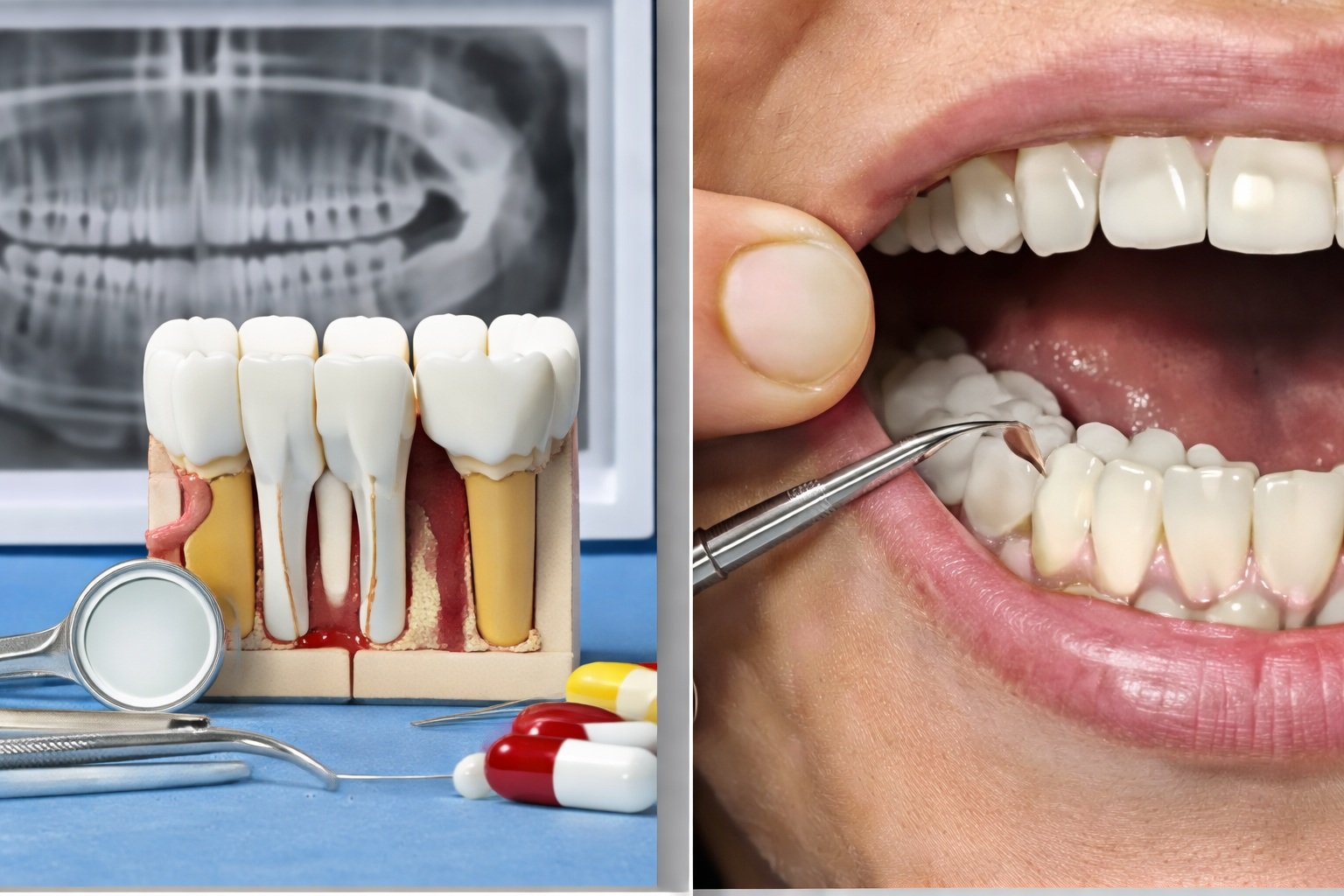
What Is Root Canal Treatment?
Root canal treatment is a dental procedure used to treat infection or inflammation inside a tooth. The pulp contains nerves and blood vessels, and it can become damaged by deep decay, cracks, trauma or repeated dental procedures.
During treatment, your dentist removes the affected pulp, cleans and disinfects the root canals, and seals them. A filling or dental crown may then be recommended to restore the tooth and protect its remaining structure.
Root canal treatment can help preserve your natural tooth and maintain your ability to bite and chew. Your dentist will assess the tooth and explain the expected treatment process before proceeding.
When Can Root Canal Treatment Help?
Root canal treatment may be recommended when the pulp inside a tooth is damaged or infected.
Severe or Persistent Toothache
Ongoing tooth pain may indicate inflammation or infection inside the tooth. A dental assessment can identify the cause and determine whether root canal treatment is appropriate.
Tooth Sensitivity
Sensitivity to hot or cold foods and drinks that lingers after the trigger is removed may indicate damage to the dental pulp and should be assessed by a dentist.
Swelling or Dental Infection
Swelling around a tooth or gums, tenderness when biting, or a recurring gum pimple may be signs of infection. Seek prompt dental care, particularly if swelling is increasing.
Deep Decay or Tooth Injury
Extensive decay, a crack or an injury can damage the pulp. Root canal treatment may help preserve the tooth when the damage is treatable and enough tooth structure remains.
Benefits of Root Canal Treatment
When clinically appropriate, root canal treatment offers several benefits for your oral health.
Preserve Your Natural Tooth
Treatment can help save a tooth that might otherwise require extraction, provided the tooth can be restored successfully.
Address Infection Inside the Tooth
Cleaning and disinfecting the root canals helps remove infected or damaged tissue and manage the source of infection.
Relieve Toothache
When pain is caused by inflamed or infected pulp, treatment can help resolve the underlying cause. Some tenderness may remain temporarily after the procedure.
Restore Chewing Function
Once the tooth has been treated and properly restored, it can continue to support normal biting and chewing while helping maintain your natural smile.
Avoid Immediate Tooth Replacement
Preserving your natural tooth may help maintain your bite and avoid the need for replacement options such as a dental bridge or implant.
Support Long-Term Oral Health
With an appropriate restoration, good oral hygiene and regular dental check-ups, a treated tooth can remain functional for many years.
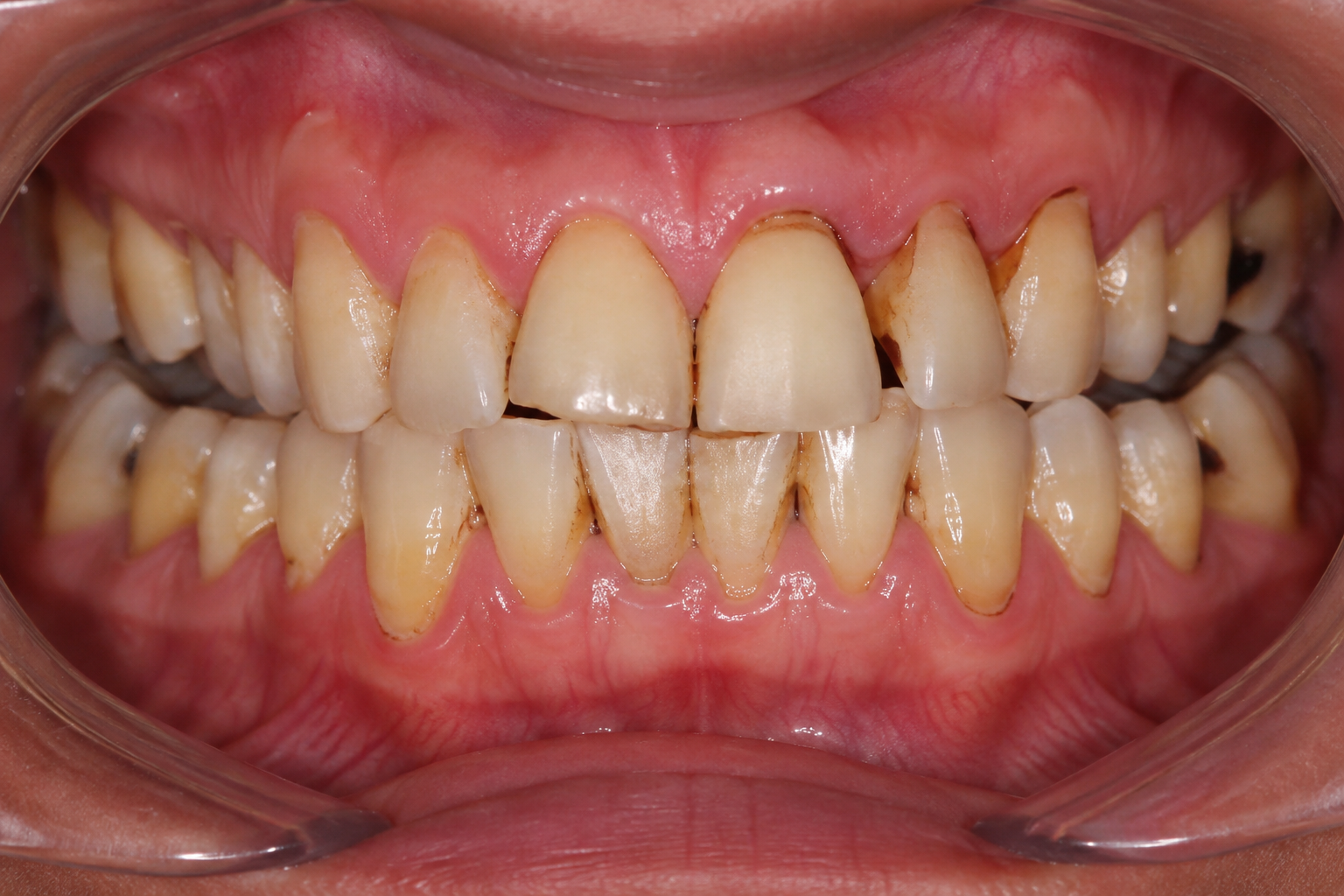
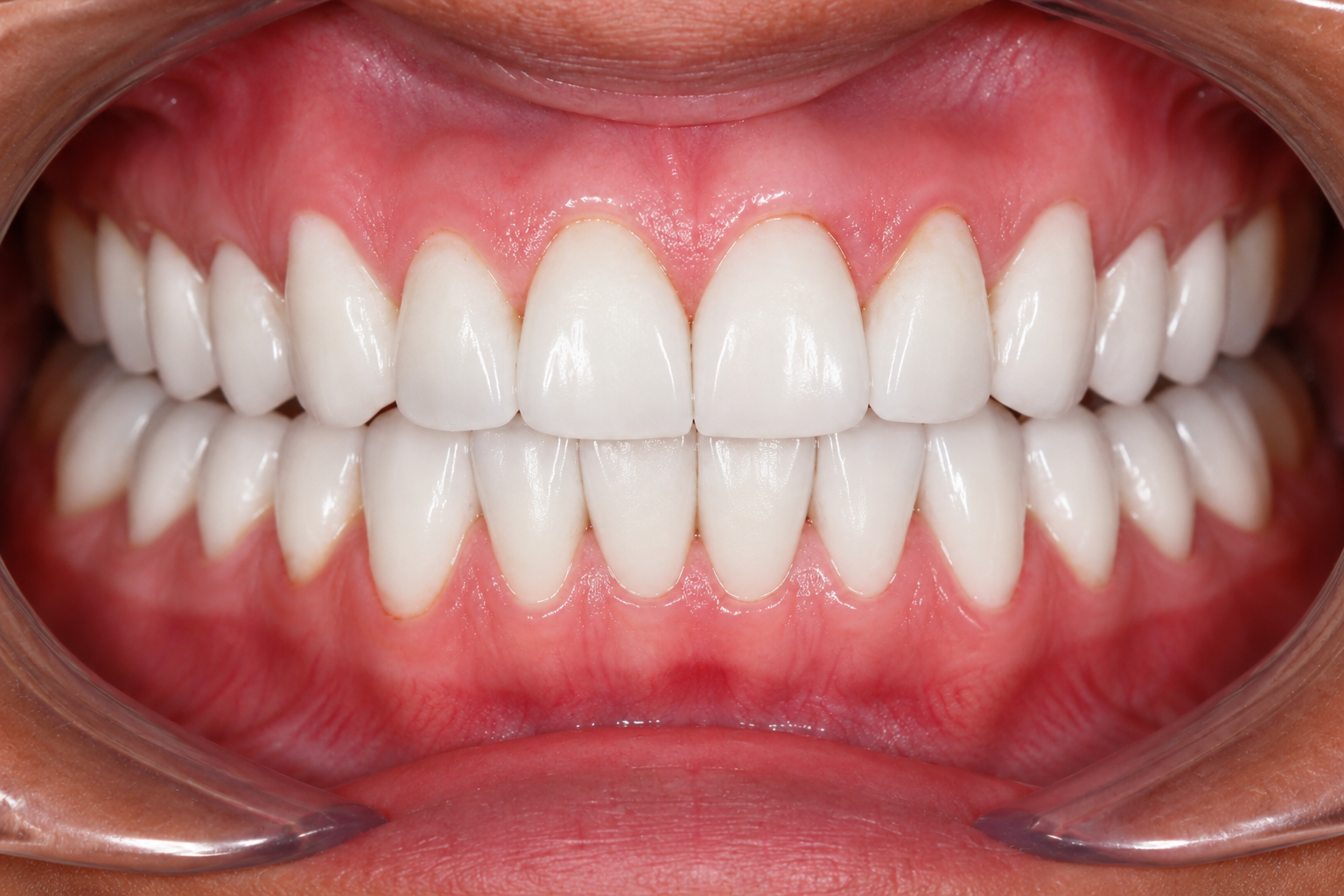
Real Smiles, Real Stories
What Happens During Your Root Canal Appointment?
Root canal treatment may require one or more appointments, depending on the tooth, the extent of infection and your individual treatment needs.
Examination and Assessment
Your dentist examines the affected tooth and may take dental X-rays to assess the roots and surrounding tissues. The findings help determine whether root canal treatment is suitable.
Local Anaesthesia and Cleaning
Local anaesthesia is administered to help keep you comfortable. Your dentist accesses the inside of the tooth, removes the damaged pulp and cleans and disinfects the root canals using appropriate dental instruments.
Root Canal Sealing
Once the canals have been cleaned and prepared, they are filled and sealed to help prevent bacteria from re-entering. Depending on the clinical situation, medication or a temporary filling may be used between appointments.
Final Restoration and Aftercare
The tooth is restored with a filling or, where needed, a dental crown to protect its remaining structure. Your dentist will explain aftercare instructions and arrange any required follow-up visits.
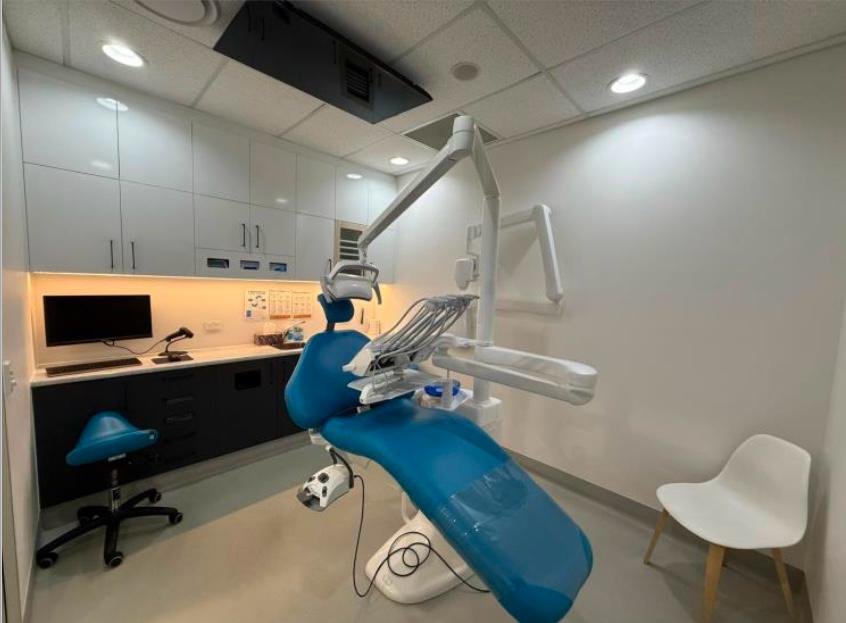
Why Choose Fairfield Dental Studio for Root Canal Treatment?
At Fairfield Dental Studio, we assess the cause of your dental symptoms and explain appropriate treatment options based on the condition of your tooth and your oral health needs.
- Individual assessment: We examine the affected tooth and may use dental X-rays to help guide treatment.
- Focus on preserving teeth: Root canal treatment may help retain your natural tooth when it can be treated and restored.
- Comfort-focused care: Local anaesthesia is used during treatment to help manage discomfort.
- Structured treatment process: We clean, disinfect and seal the root canals, then plan the appropriate restoration.
- Urgent dental concerns: Contact our team if you have persistent tooth pain or suspected infection to discuss your symptoms and appointment availability.
Prompt assessment of tooth pain or suspected infection can help determine the appropriate next steps. Our team can explain whether root canal treatment may be suitable and discuss how the treated tooth may need to be restored afterwards.
Frequently Asked Questions
How much does root canal treatment cost in Fairfield?
The cost depends on the tooth being treated, the complexity of the root canals and the restoration required afterwards. Contact Fairfield Dental Studio for an estimate based on your individual needs.
Is root canal treatment painful?
Local anaesthesia is used to help keep you comfortable during the procedure. The treatment aims to address the source of pain, although some tenderness may occur afterwards. Your dentist can explain how to manage any post-treatment discomfort.
How many appointments are needed for root canal treatment?
Some cases can be completed in one appointment, while others require multiple visits. The number of appointments depends on the tooth, the complexity of treatment and the extent of infection.
Can I get a same-day root canal appointment in Fairfield?
Same-day appointments may be available for urgent dental concerns, depending on availability and your clinical needs. Contact the practice as soon as possible if you have severe tooth pain or suspected infection.
Will I need a crown after root canal treatment?
Not every treated tooth requires a crown. However, teeth that have lost substantial structure or are at greater risk of fracture may benefit from one. Your dentist will recommend a suitable restoration based on the tooth’s condition and position.
Can an infected tooth heal without root canal treatment?
An infection affecting the dental pulp generally requires professional treatment. Depending on the condition of the tooth, options may include root canal treatment or extraction. Antibiotics alone do not remove infected pulp and are not a substitute for necessary dental treatment.
Get Help with Root Canal Treatment in Fairfield
Persistent toothache, lingering sensitivity or swelling around a tooth may require prompt dental attention. Fairfield Dental Studio can assess your symptoms and explain whether root canal treatment may help preserve your natural tooth.
Call (07) 3846 2006 to discuss your symptoms and arrange an appointment. Same-day appointments may be available, subject to availability.
Related Dental Treatments
Explore our other treatments to keep your smile healthy and bright.