Natural Smile
Dental Bridges in Fairfield
Missing one or more teeth can affect how you chew, speak and feel about your smile. Dental bridges in Fairfield offer a way to replace missing teeth by filling the gap with an artificial tooth or teeth supported by neighbouring teeth or other suitable dental structures.
At Fairfield Dental Studio, a dental bridge may be considered when you want to restore the appearance and function of your smile. The most common type uses crowns fitted to supporting teeth on either side of the gap, with a replacement tooth in between. Your dentist will assess your oral health, bite and remaining teeth to determine whether a bridge is suitable for you.
Request an Appointment
Fill in the form and our team will contact you shortly.
Approach
Dental Technology
Fairfield Location
Dental Care
What Are Dental Bridges?
A dental bridge is a fixed dental restoration that replaces one or more missing teeth. A conventional bridge typically consists of crowns attached to supporting teeth, with an artificial tooth called a pontic filling the gap.
Bridges can help restore chewing function, improve the appearance of your smile and prevent neighbouring teeth from drifting into an empty space. Different bridge designs are available, and the right option depends on the location of the missing tooth, the condition of nearby teeth and your overall oral health.
Your dentist can also explain alternatives, such as dentures or dental implants, so you can compare the benefits, limitations and costs before deciding on treatment.
When Can Dental Bridges Help?
A dental bridge may be suitable in several situations involving missing teeth.
One or More Missing Teeth
A bridge can fill a gap left by one or more missing teeth, helping restore the appearance and function of your smile.
Difficulty Chewing Comfortably
A suitable dental bridge can replace missing teeth and help improve biting and chewing.
Changes in Your Smile
A visible gap can affect the appearance of your smile. A bridge can be designed to complement the shape and shade of your natural teeth.
Preventing Unwanted Tooth Movement
A dental bridge may help maintain tooth spacing and reduce shifting into gaps left by missing teeth.
Benefits of Dental Bridges
Depending on your dental needs, a bridge may offer several benefits for replacing missing teeth.
Fill Gaps in Your Smile
A dental bridge replaces missing teeth with artificial teeth designed to blend naturally with your surrounding teeth and restore your smile’s appearance.
Restore Chewing Function
Replacing a missing tooth can help distribute biting forces more effectively, depending on the bridge design and the condition of the supporting teeth.
Support Clearer Speech
Missing teeth can affect the way some sounds are formed. Replacing them may help improve speech where the gap is contributing to the problem.
Maintain Dental Spacing
A dental bridge can help prevent neighbouring teeth from drifting into the gap left by a missing tooth, helping maintain proper tooth spacing.
Provide a Fixed Replacement
Unlike removable dentures, a conventional dental bridge is cemented in place and is not removed by the patient for daily use.
Complement Your Natural Teeth
The replacement teeth can be designed to suit the colour and shape of your existing teeth, helping create a balanced smile.
Real Smiles, Real Stories
What Happens During Your Dental Bridge Appointment?
Dental bridge treatment usually involves several stages. The exact process and number of appointments depend on the type of bridge and your individual dental needs.
Consultation and Assessment
Your dentist examines the gap, surrounding teeth and gums, and your bite. Dental X-rays or other assessments may be recommended to determine whether the supporting teeth are suitable for a bridge.
Preparing the Supporting Teeth
For a conventional bridge, the supporting teeth are carefully prepared to accommodate the crowns. Local anaesthesia is generally used to help keep you comfortable during this stage.
Digital Scan or Impression
A digital scan or suitable impression records the shape of your teeth so the dental laboratory can create a bridge that fits your mouth. A temporary restoration may be provided while the final bridge is being made.
Fitting the Final Bridge
Your dentist checks the bridge’s fit, bite and appearance before securing it in place. You will receive guidance on cleaning around the bridge and maintaining the health of your supporting teeth and gums.
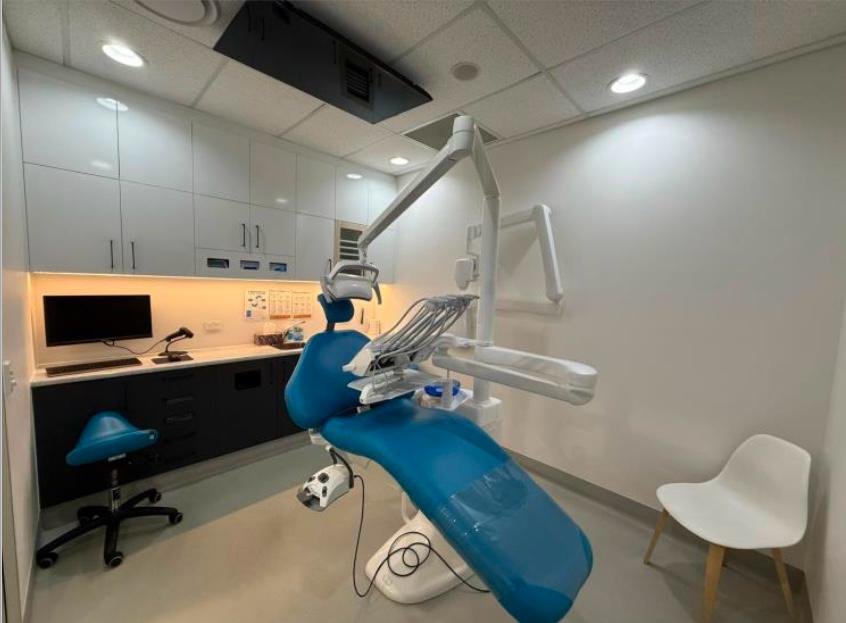
Why Choose Fairfield Dental Studio for Dental Bridges?
Replacing missing teeth involves more than filling a gap. At Fairfield Dental Studio, we consider the condition of your remaining teeth, your bite and your preferences when discussing suitable tooth-replacement options.
- Individual treatment planning: We assess your missing teeth and surrounding oral structures before recommending a bridge.
- Options explained clearly: We can discuss whether a bridge, denture or another replacement option may suit your needs.
- Attention to appearance: The shape and shade of replacement teeth are considered to complement your smile.
- Focus on function: We assess the bridge's fit and bite to help support comfortable chewing.
- Local dental care: Visit Fairfield Dental Studio at Fairfield Gardens Shopping Centre to discuss replacing your missing teeth.
A dental bridge needs healthy supporting structures and consistent maintenance to remain in good condition. Our team can explain the expected treatment process, cleaning techniques and ongoing care required for your chosen restoration.
Frequently Asked Questions
How much do dental bridges cost in Fairfield?
The cost depends on the number of teeth being replaced, the type of bridge, the materials used and the condition of the supporting teeth. Your dentist can provide a personalised treatment plan and estimate after an examination.
How long do dental bridges last?
Dental bridges can last for many years, but their lifespan varies depending on the materials, fit, oral hygiene and condition of the supporting teeth. Regular dental check-ups and careful cleaning can help maintain your bridge.
Is getting a dental bridge painful?
Local anaesthesia is generally used when preparing supporting teeth to help manage discomfort. Some temporary sensitivity may occur afterwards. Your dentist will explain what to expect during recovery.
What is the difference between a dental bridge and a denture?
A conventional bridge is fixed in place using supporting teeth, while a denture is generally removable. The most suitable option depends on the number and location of missing teeth, the health of your remaining teeth and your preferences.
Can a dental bridge replace several missing teeth?
Yes, certain bridge designs can replace more than one missing tooth. Suitability depends on the length of the gap, the strength of the supporting teeth and the forces placed on the restoration.
How do I clean and care for a dental bridge?
Brush twice daily with fluoride toothpaste and clean carefully around and beneath the bridge using suitable interdental brushes or a bridge threader. Attend regular dental check-ups so your dentist can monitor the bridge, supporting teeth and gums.
Replace Missing Teeth with Dental Bridges in Fairfield
If you have one or more missing teeth, Fairfield Dental Studio can assess your smile and discuss whether a dental bridge is suitable for you. We can explain the available replacement options and help you understand the next steps towards restoring your smile and chewing function.
Contact Fairfield Dental Studio on (07) 3846 2006 to discuss your needs and arrange an appointment.
Related Dental Treatments
Explore our other treatments to keep your smile healthy and bright.